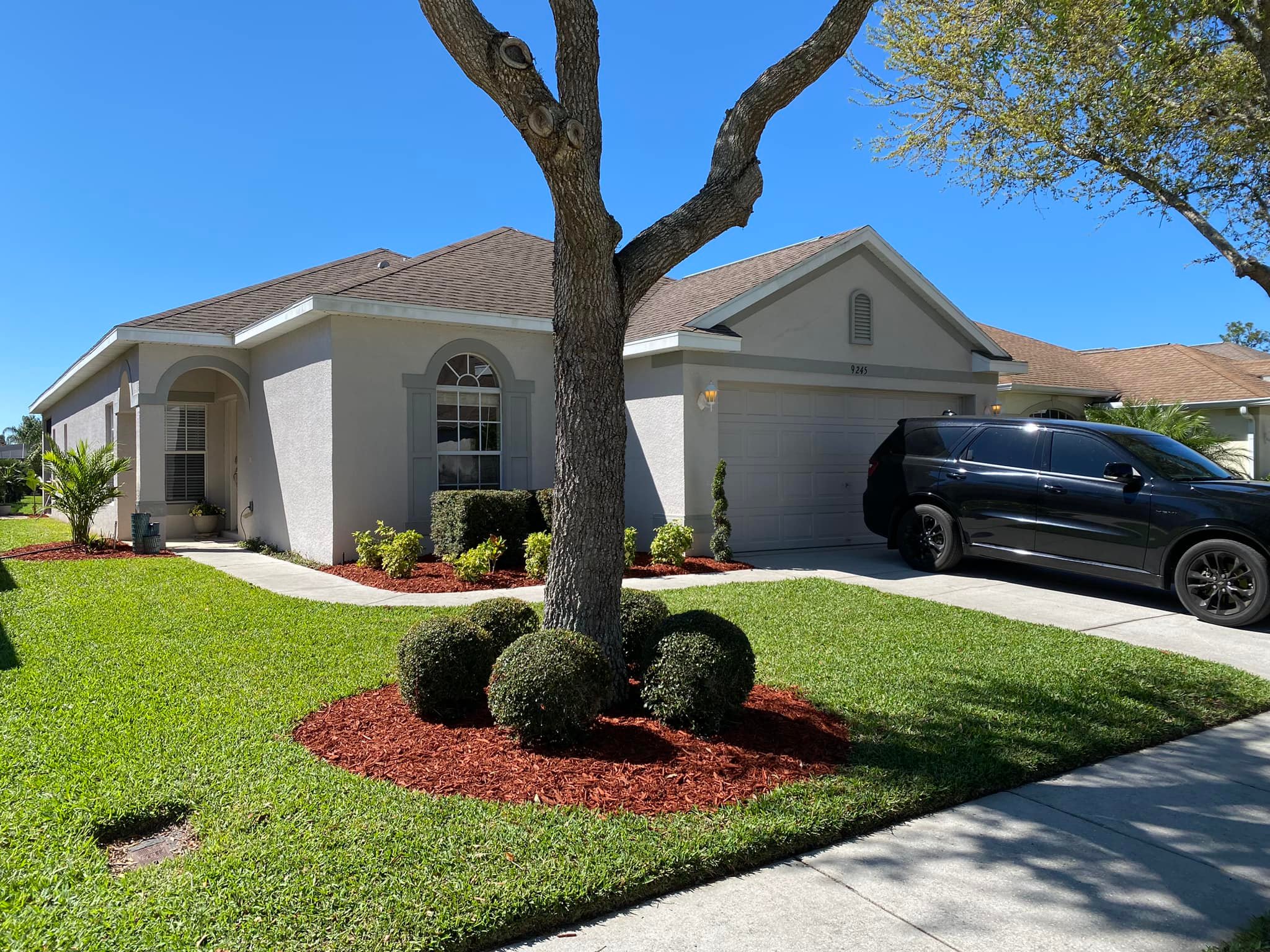
Lush Landscapes: Expert Tips for Designing a Water-Efficient Garden Jun 13, 2026
To start, it's important to assess your garden's layout and soil type. Understanding soil composition affects water retention and plant selection. Sandy soil, for instance, drains quickly and may require drought-tolerant plants, whereas clay soil retains moisture better. Testing your soil will help you amend it effectively—adding organic matter can improve its structure and enhance water retention.
Once you've got a handle on your soil, plan your garden's layout with water efficiency in mind. Group plants with similar water needs together. This technique, known as hydrozoning, ensures each plant gets exactly what it needs, avoiding over- or under-watering. Consider layering plants—a concept akin to forest gardening—to promote natural shade, which reduces evaporation and keeps the soil cool.
When choosing plants, prioritize native and drought-resistant varieties. Native plants are more adapted to local climate conditions and typically require less water. Plants like lavender, succulents, and ornamental grasses not only weather dry spells but also add unique textures and colors to your garden. Researching and selecting the right plants will make a significant difference in the health and sustainability of your garden.
Don't overlook the importance of mulch in a water-efficient garden. Applying a top layer of organic mulch, such as wood chips or shredded bark, helps lock in moisture, suppress weeds, and reduce the need for frequent watering. Mulch acts as a blanket, protecting plant roots from temperature fluctuations and slowing down evaporation.
Efficient irrigation is another cornerstone of a water-smart landscape. Drip irrigation systems deliver water directly to the plant roots, minimizing loss due to evaporation and ensuring plants get the optimal amount of water. Installing a rain sensor or a timer on your irrigation system can further enhance efficiency, preventing overwatering on rainy days and ensuring the garden receives water during the cooler parts of the day.
Consider integrating permeable hardscaping elements such as gravel paths or permeable pavers. These not only add aesthetic value but also reduce runoff by allowing water to seep into the ground. Incorporate rain barrels to capture rainwater for later use and employ this naturally sourced water for watering your plants.
Finally, regular maintenance is essential for any water-efficient garden. This involves weeding to reduce competition for water, trimming back plants periodically to promote healthy growth, and keeping an eye on plant health to spot early signs of stress or disease. Regularly checking and adjusting your irrigation system also ensures your garden remains water-efficient.
At Copeland Services, we believe that a beautiful garden should also be a sustainable one. By following these tips, you can design a breathtaking garden that not only enhances your home's curb appeal but also conserves one of our most precious resources—water. Embrace creative design, smart planting, and efficient watering techniques to transform your outdoor space into a lush, sustainable haven.
/filters:no_upscale()/filters:format(webp)/media/11899a4f-b84a-4d80-9cfb-341f388e9987.jpeg)