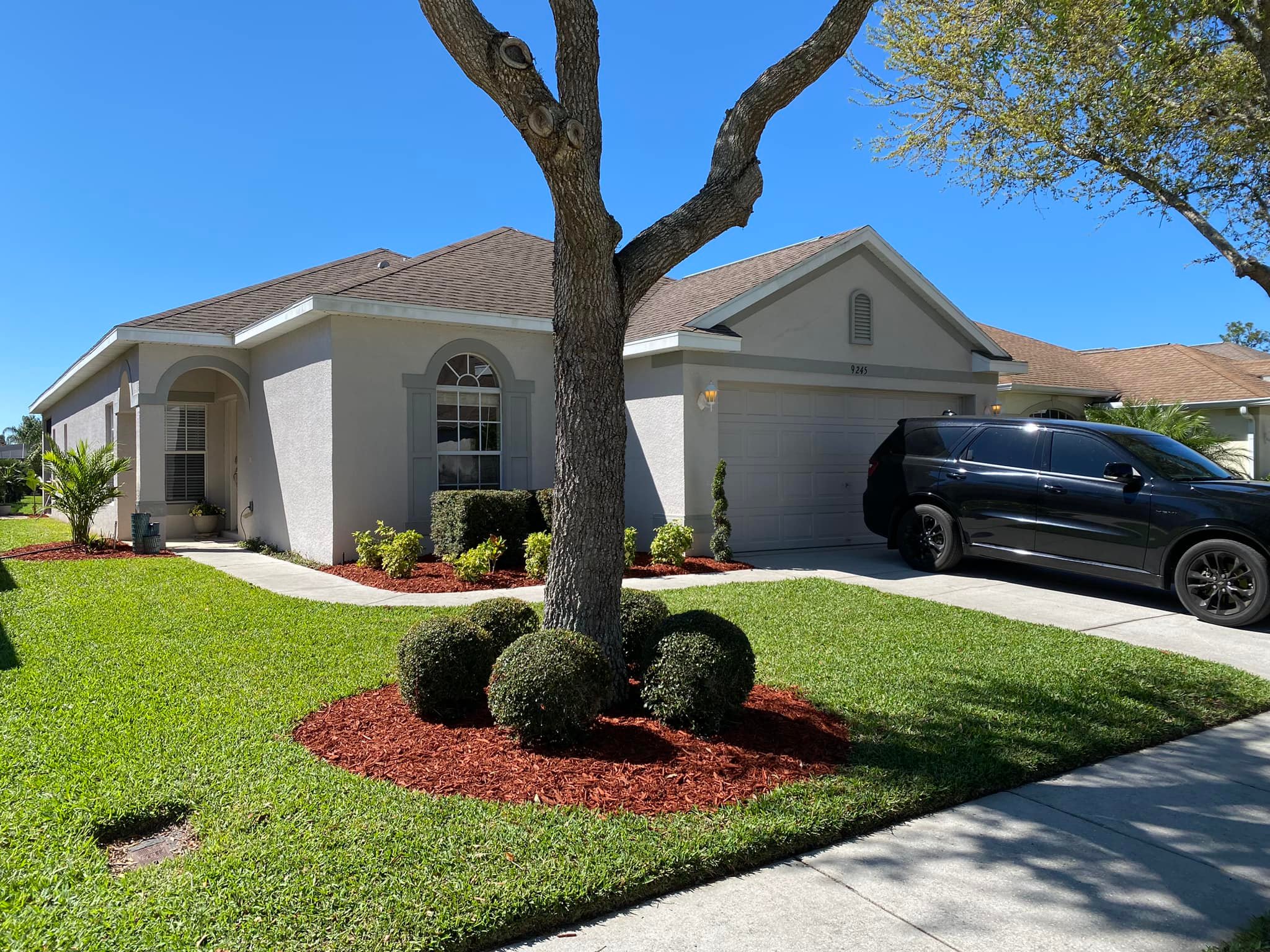
Green Living: Incorporating Eco-Friendly Practices in Your Landscaping Design May 06, 2026
The first step towards eco-friendly landscaping is understanding your local ecosystem. Before planting, take into account the native plant species that thrive in your area. Native plants are adapted to local climate and soil conditions, requiring less water and fertilizer. They provide habitats for local wildlife and contribute to the region’s biodiversity. Incorporating native plants into your design not only reduces maintenance costs but also supports the ecological balance.
Water conservation is another crucial aspect of sustainable landscaping. Traditional lawns require extensive watering, which can be wasteful. Consider replacing portions of your lawn with drought-tolerant plants or installing a rain garden. Rain gardens effectively manage stormwater, reducing runoff and filtering pollutants. Moreover, integrating a drip irrigation system can drastically cut down on water usage by delivering water directly to the plant roots.
Composting is an excellent way to enrich your soil without relying on chemical fertilizers. Use yard waste and kitchen scraps to create compost, which can then be added to your garden beds. Composting not only improves soil health but also reduces landfill waste. A healthy soil structure will support robust plant growth, minimizing the need for synthetic fertilizers.
Incorporating hardscape elements such as permeable pavers and natural stone is another eco-friendly strategy. These materials allow rainwater to penetrate the ground, reducing runoff and erosion. When selecting materials, consider sustainability and durability. Locally sourced stones or reclaimed materials often have a lower carbon footprint than imported ones.
For lighting solutions, opt for energy-efficient options. Solar-powered garden lights and LED bulbs consume less energy and save you money in the long run. Properly positioned outdoor lighting can enhance the aesthetic appeal of your landscape without significantly increasing your energy consumption.
Creating a green habitat within your landscape involves more than plants and materials—it’s about fostering an environment where nature thrives. Encourage the presence of beneficial insects and pollinators by planting a variety of flowering species that offer nectar throughout the year. Additionally, by reducing pesticide use, you protect these important creatures, ensuring a healthy ecosystem.
Maintaining an eco-friendly landscape is not just a task for the individual homeowner but a collective effort. When neighbors adopt sustainable practices, communities can experience a significant positive impact on local environments. Sharing resources like gardening tools or plants can promote communal responsibility and foster a shared commitment to sustainability.
At Copeland Services, we understand the challenges and rewards of incorporating eco-friendly practices into your landscaping design. Our experts are ready to assist you in creating a sustainable outdoor space that aligns with your environmental values. By embracing these practices, you not only contribute to the health of the planet but also enjoy a beautiful, thriving landscape.
In conclusion, transitioning to an eco-friendly landscaping design is an investment in both your property and the environment. By understanding your local ecosystem, conserving water, enriching your soil naturally, and adopting sustainable materials and practices, you can enjoy a landscape that benefits you and the world around you. Whether you’re updating an existing garden or starting from scratch, incorporating eco-friendly practices with help from Copeland Services can lead to a more sustainable and stunning outdoor space.
/filters:no_upscale()/filters:format(webp)/media/11899a4f-b84a-4d80-9cfb-341f388e9987.jpeg)